Reading Book Quote SVG Design
A Designer’s First Glance: Quiet Charm, Not Clutter
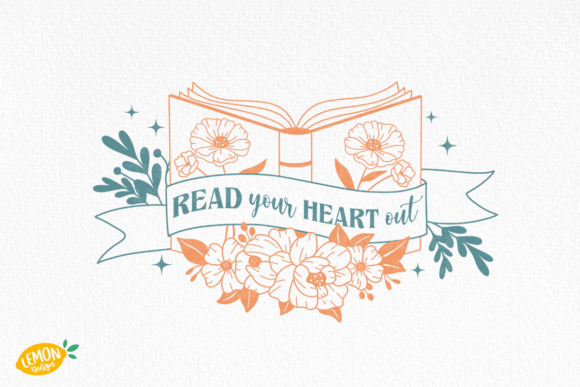
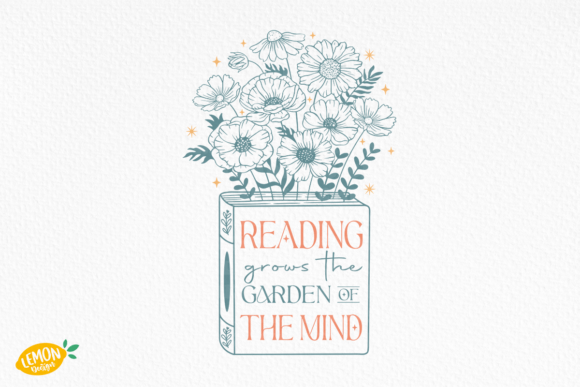
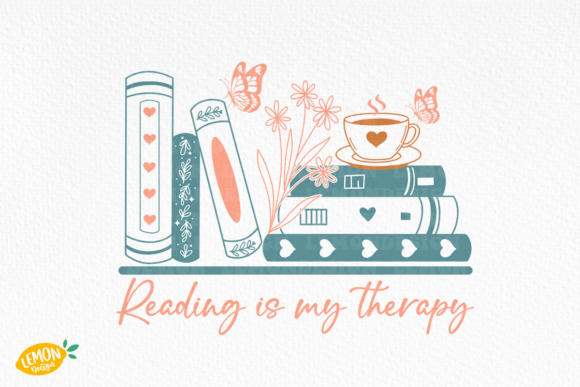
When I opened the Reading Book Quote SVG Design files, what struck me first wasn’t technical precision—it was tone. Soft curves, gentle spacing, and a balanced rhythm between text and implied book shape create immediate warmth. This isn’t a bold typographic statement or a playful cartoon—it’s thoughtful, unhurried, and quietly confident. It feels like the kind of design you’d stitch onto a linen tea towel for a teacher friend or embroider on the chest of a baby onesie for a literary-themed nursery. The layout leans into simplicity without sacrificing personality—no excessive flourishes, no cramped lettering, no competing visual noise. That matters deeply when translating from screen to stitch.
Where It Shines in Real Embroidery Projects
I tested the Reading Book Quote SVG Design as part of a custom embroidered tote bag project—natural canvas, medium-weight, with light stabilizer. On fabric, it held its shape beautifully: clean satin-stitched outlines, even fill areas, and legible lettering at 3.5 inches wide. It worked equally well on a lightweight cotton sweatshirt (with tear-away + cutaway combo stabilizer) and on a structured denim apron pocket—no distortion, no skipped stitches. As an embroidery file, it’s especially strong for boutique merchandise: think personalized gifts for librarians, graduation keepsakes, or small shop products tied to indie bookstores or reading challenges. Etsy sellers will find it versatile for digital embroidery file listings, printable mockups, and ready-to-embroider kits—especially when paired with neutral thread palettes (heather grey, oat, deep navy, cream).
Smart Pairings for Handmade & Commercial Use
- Custom apparel: Works cleanly on crewnecks, raglan tees, and unstructured caps—just avoid the crown curve if stitching on structured baseball caps.
- Baby embroidery: Ideal for onesies, burp cloths, and muslin swaddle blankets—its gentle scale and low stitch density prevent stiffness.
- Holiday & gift embroidery: Fits seamlessly on pillow covers, kitchen towels, and mini quilt blocks—especially during back-to-school or National Reading Month.
- Embroidered patch: Clean edges and minimal underlay make it a reliable candidate for iron-on or sew-on patches (test stitch density first).
Where to Pause—and Why
This isn’t a one-size-fits-all embroidery file. Its quiet elegance demands thoughtful execution. On dark fabric, fine details can blur unless thread contrast is intentional—try matte black thread on charcoal, not glossy black on navy. On stretchy knits (like lightweight jersey), use a firm cutaway stabilizer and reduce top tension slightly to avoid puckering. Tiny hoop sizes (< 4” diameter) require checking corner clearance—the quote’s outer curve sits close to the edge in some versions, so verify your machine’s usable stitching area before hooping. And while it reads well at 3–4 inches, don’t shrink it below 2.25 inches: the interior spacing tightens, risking lost definition in satin-stitched elements.
What It Adds to Your Finished Product—Beyond Aesthetics
The Reading Book Quote SVG Design elevates perceived value—not through complexity, but through intentionality. Customers notice when typography breathes, when curves feel hand-drawn rather than machine-perfect, when a design doesn’t fight the fabric. That translates directly to handmade presentation and brand consistency, especially for craft businesses that lean into authenticity over flash. For Etsy sellers, it supports storytelling in product photos: pair it with vintage books, warm lighting, and natural textures to reinforce mood. For commercial embroidery shops, it’s a low-risk, high-recognition asset—familiar enough to resonate, distinctive enough to stand out among generic quotes.
Practical Notes Every Embroidery Designer Should Check
- Test on scrap fabric first—especially if using textured weaves (burlap, heavy linen) or blends (cotton-poly). The design’s smooth contours respond differently across surfaces.
- Review stitch density before scaling. Dense fill areas may need reduced density on delicate fabrics or layered garments (e.g., hoodies with thick fleece lining).
- Confirm hoop size compatibility. If your machine defaults to auto-hooping, manually adjust boundaries to protect curved edges.
- Inspect small details in vector view: check anchor points on curved letterforms—clean paths mean smoother satin stitch transitions.
- Test in black-and-white mockups to assess contrast and hierarchy before committing to thread colors.
- Compare performance on light vs. dark backgrounds—some letterforms gain or lose clarity depending on fabric value.
- Use appropriate stabilizer: medium cutaway for knits, tear-away for stable wovens, and fusible + tear-away for lightweight silks or rayons.
- Verify licensing before selling finished items or digital embroidery files—this is essential for craft business owners and digital product sellers.
Final Thought: A Thoughtful Tool, Not Just a Trend
The Reading Book Quote SVG Design won’t dominate a trade show booth—but it will earn repeat orders from customers who value subtlety, craftsmanship, and emotional resonance. It’s the kind of embroidery file that works hardest when it doesn’t call attention to itself: supporting a handmade product’s story, reinforcing a boutique’s voice, or turning a simple tote bag into a meaningful, shelf-worthy object. For designers, sellers, and makers who understand that embroidery is as much about feeling as function, this is a quietly capable asset—one worth keeping in your core library of Crafts and Graphics resources.